
Getting an ADHD diagnosis for your child can feel like a mix of relief, followed by panic and overwhelm.
Relief—because things finally make sense. When the developmental pediatrician told us that it wasn’t because of ‘bad’ parenting, my eyes burned from holding back tears. I was an early childhood and Montessori educator for over 10 years. Before he was diagnosed at 7 years old, I truly tried my best to figure out how to overcome my son’s behavioral challenges. And I thought somehow, we were doing parenting wrong.
Overwhelm—because now you’re asking: What do I actually do next? We were in the doctor’s clinic for over 2 hours for our son’s initial diagnosis. It wasn’t enough time to cover all our bases and to effectively guide us as newly-minted parents to an apparently, neurodivergent child.
If I could go back to the beginning of our journey, these are the 5 things I would focus on first.
NOTE: This post contains affiliate links. I may earn commission from qualifying purchases at no extra cost to you.
1. Take Care of Yourself
This might not be what you expect to hear—but it’s the most important. I will probably keep writing this in every post as a reminder to myself as well.
Parenting a child with ADHD requires a lot of patience, consistency, and emotional regulation. And the bitter reality is that you can’t parent well if you’re too unstable or running on empty.
In the beginning, I was constantly overwhelmed—trying to learn everything, fix everything, respond perfectly.
Obviously, that’s impossible.
What did help was making space for myself again:
- stepping away when I felt triggered
- getting enough rest (when possible)
- having something that was just for me
- getting help (in any aspect of your life – cleaning, cooking, laundry). Call your family or hire help.
Even small resets make a big difference in how you respond to your child.
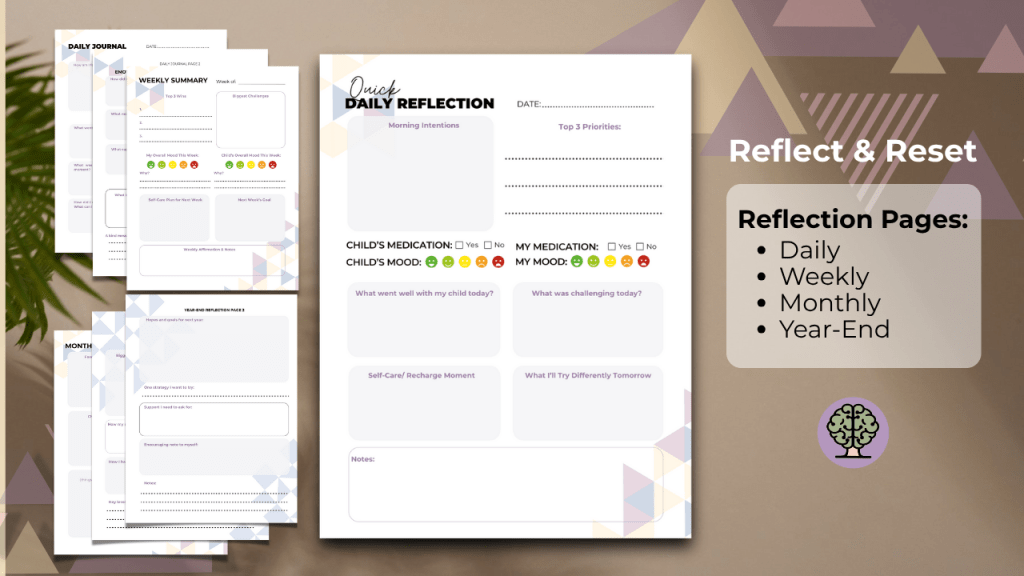
Here’s a parenting journal that helped my mental health.
It can help you:
- think positively
- track behaviors
- reflect on what worked (and what didn’t)
- stay grounded in the middle of everything
2. Learn About ADHD
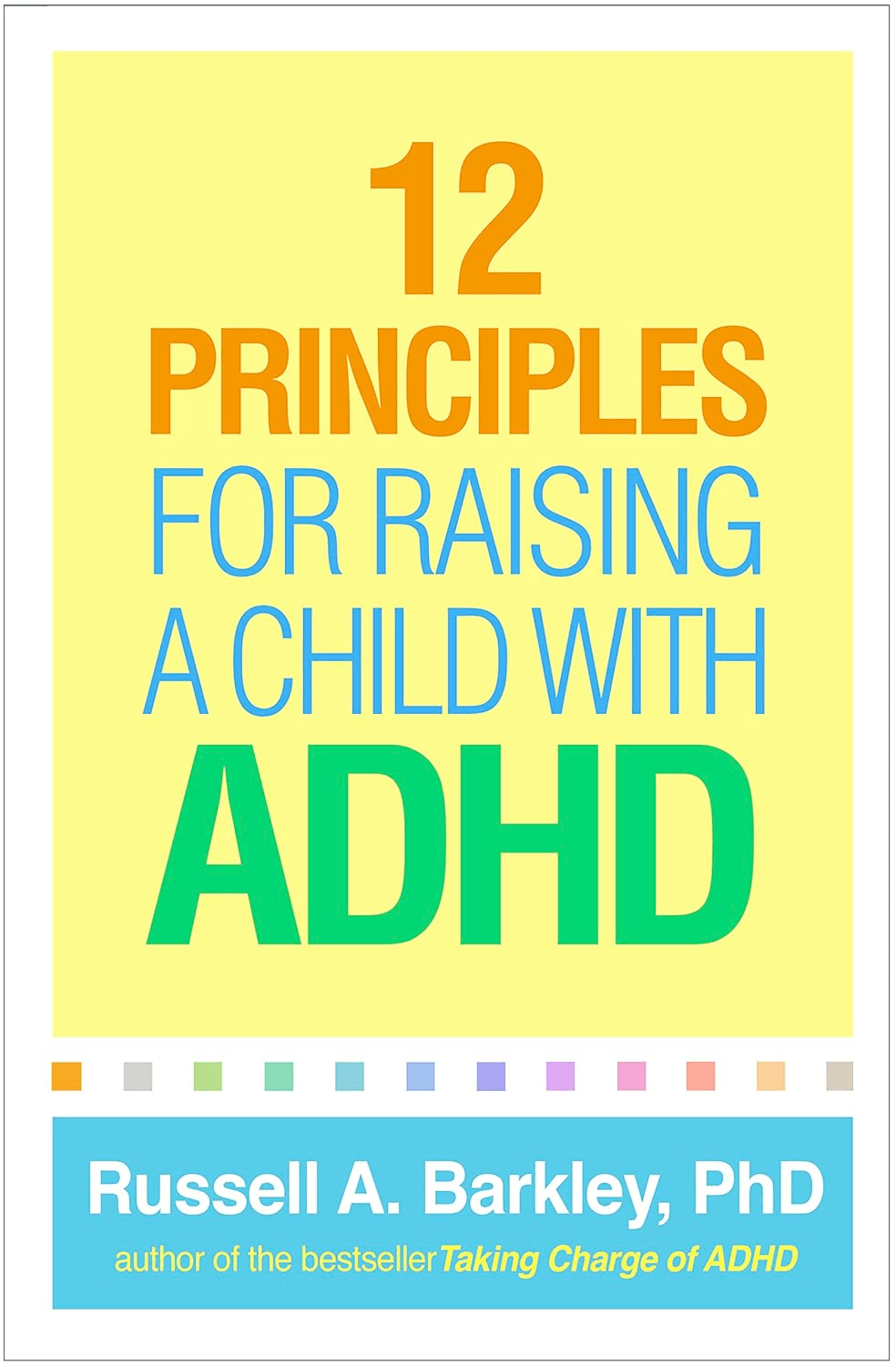
You should watch videos about what it is or read books about it. And if you only have time for ONE book. I recommend Dr. Russell Barkley’s “12 Principles for Raising a Child with ADHD”. It’s a very easy read.
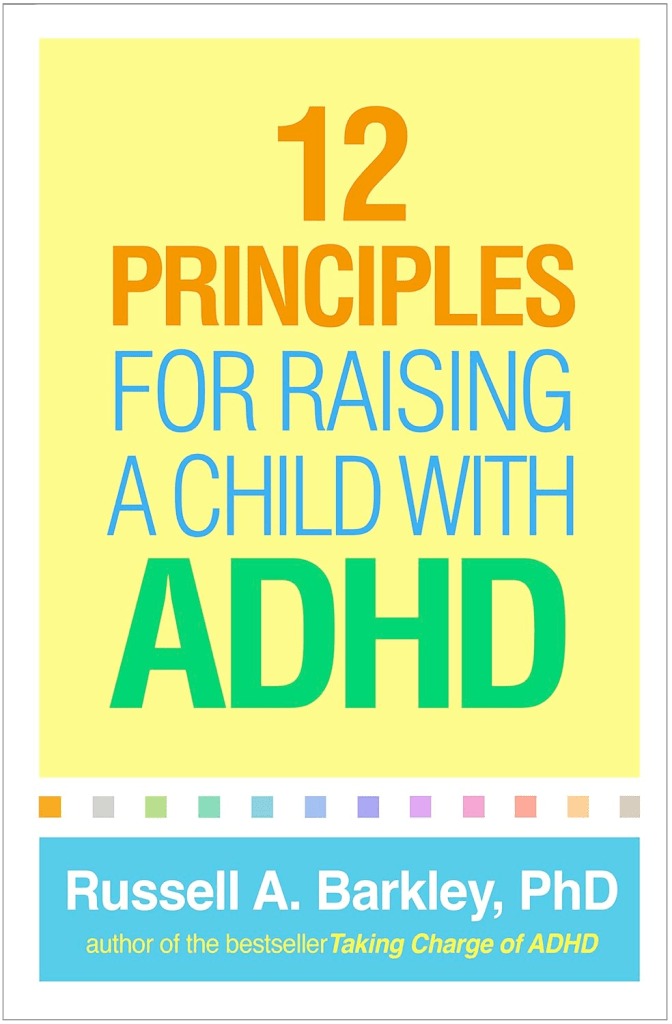
This book explains why ADHD kids are the way they are and discusses very practical parenting tips to help support their brains – the right way. By now, you’ve probably already figured out that the neurotypical type of parenting don’t work. This book has everything a parent who is starting on this journey really needs.
I’ve also created a curated list of articles from ADHD experts to help parents of newly diagnosed children understand more about ADHD to avoid becoming overwhelmed with information (like I did).
3. Adjust Your Expectations and Change the Way You Read Their Behavior
This was one of the hardest—but most important—mindset shifts.
You will learn that some things are genuinely harder for kids with ADHD (executive function skills):
- emotional control
- focus
- impulse control
- organization
There are times when I see my son’s behavior and think:
“7-year-olds shouldn’t act this way. “
“When I was 7, I never did anything like this.”
And thinking:
“Why can’t you just do this?”
But every time you see your child acting out or having a hard time, think of this instead:
“How can I support you in doing this?”
Most of the time, what they need is an external tool or support (such as visual routines, timers, or rewards). Check out all the visual schedules we use here.
4. Get Support Early
I strongly believe that getting cognitive behavioral therapy, occupational therapy, and parent training will really help the daily struggles. I haven’t joined any parent training myself, but I can see how I could’ve benefited from it early on.
Sadly, therapy isn’t always accessible for families. There’s either a long wait-list or they’re too expensive. Our doctor recommended therapy for my son TWICE a week. But we can’t afford that. We only do it twice a MONTH. And I try to continue some of the exercises I learned from his therapist at home. It’s probably not the same, but it’s better than nothing.
5. Take On One Problem At A Time
Don’t try to solve all the issues at once. Start with one problem-what you feel is the most urgent one. For us, it was the mornings. My son wakes up grumpy, whining and complaining about every little thing. I wrote down all the things that bothered him (the lights were too bright, there are too many things to do-eat, put on clothes, brush teeth etc.)
Little by little, we made changes. We dimmed the lights. We played music he likes. We let him have a morning video while he eats. And then we implemented a morning routine with rewards.
Over time, our mornings became easier and we moved on to solving other challenges.




 ADHD KIDS TOOLBOX
Leave a comment