
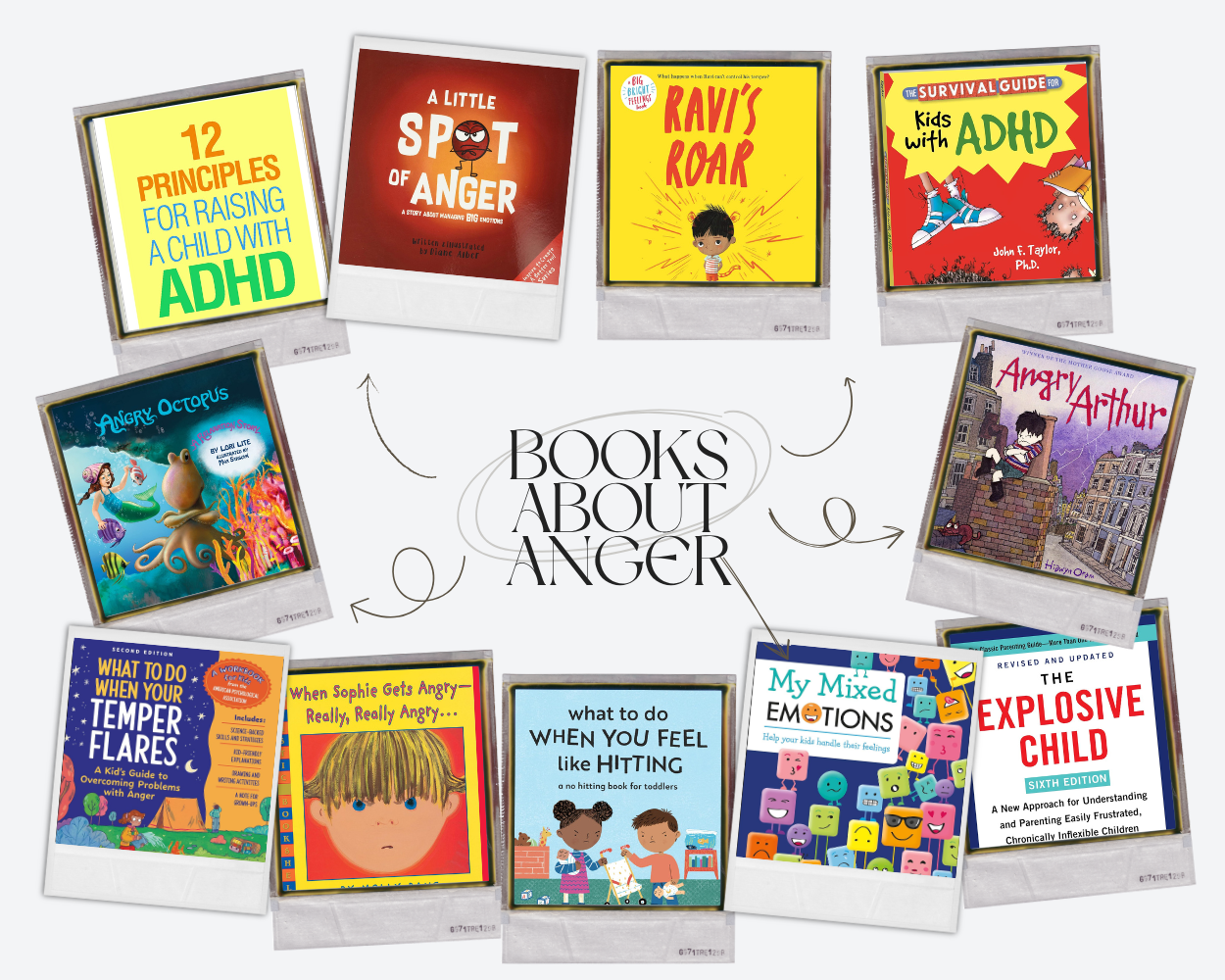
ADHD kids struggle with impulse control and emotional regulation. This is due to a delay in the development of their executive function skills. My ADHD son (9) often has big explosive reactions over seemingly, little things. And we have found these books to be very useful in talking about anger and what to do when it happens.

NOTE: This post contains affiliate links. This means I may earn a small commission from qualifying purchases at no extra cost to you.
📚 Books for Kids
1. Ravi’s Roar – Tom Percival
Age: 3–7
Ravi tries really hard to stay calm, but when his feelings build up, he turns into a roaring tiger. It’s such a simple way for kids to see how anger grows when it’s kept inside.
Best for: kids who suddenly explode after holding things in
2. My Mixed Emotions – DK
Age: 5–9
This book helps kids understand that feelings aren’t just “happy” or “mad”—they can be confusing and mixed. It gives them language for what’s going on inside, which honestly changes everything.
Best for: kids who can’t explain what they’re feeling before a meltdown
3. Angry Arthur – Hiawyn Oram
Age: 4–8
Arthur gets so angry that everything spirals into something huge and out of control. Kids usually find it funny—but also very relatable.
Best for: kids with big, dramatic reactions
4. A Little Spot of Anger – Diane Alber
Age: 4–8
This uses a cute little “anger spot” to show how feelings grow and what to do with them. It’s simple, visual, and easy for kids to remember.
Best for: visual learners and younger kids
5. When Sophie Gets Angry – Molly Bang
Age: 4–8
Sophie gets really angry and needs space to calm down—and the story shows that process in a very real way. It reminds kids that anger passes, even when it feels big.
Best for: teaching kids that it’s okay to step away and reset
6. What to Do When Your Temper Flares – Dawn Huebner
Age: 6–12
This one actually walks kids through what anger feels like and what they can do about it. It’s more like a guide than a story.
Best for: kids ready to learn actual coping tools
7. Angry Octopus – Lori Lite
Age: 4–10
This is a calming story that teaches kids how to breathe and relax their body. It’s especially good when read slowly and intentionally.
Best for: bedtime routines or calming down after a hard moment
8. What to Do When You Feel Like Hitting – Cara Goodwin
Age: 2-4
This one is very direct—it talks about the urge to hit and what to do instead. It gives simple, clear alternatives that kids can actually try.
Best for: kids who get physical when they’re upset
🧠 Books for Parents
9. The Explosive Child – Ross W. Greene
This book helped me stop seeing behavior as “bad” and start seeing it as a skills gap. It completely shifted how I respond during tough moments.
Best for: parents dealing with frequent meltdowns or power struggles
10. 12 Principles for Raising a Child with ADHD – Russell Barkley
This one really helped me understand what ADHD actually is—not just behavior, but a delay in executive function and self-regulation. It gave me a completely different lens, especially around things like impulsivity and emotional control.
Best for: parents who want a deeper understanding of ADHD and useful tips for managing it
11. The Survival Guide for Kids with ADHD – John F. Taylor
Age: 8–12
This is written in a way kids can understand, which makes it really powerful. It helps them make sense of their own brain and reactions.
Best for: older kids who are starting to reflect on their behavior
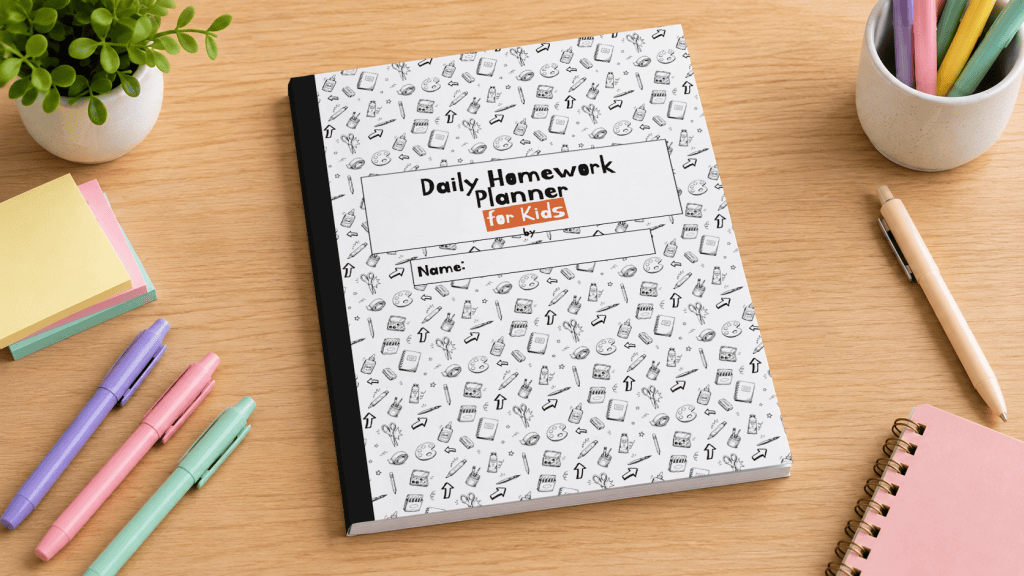
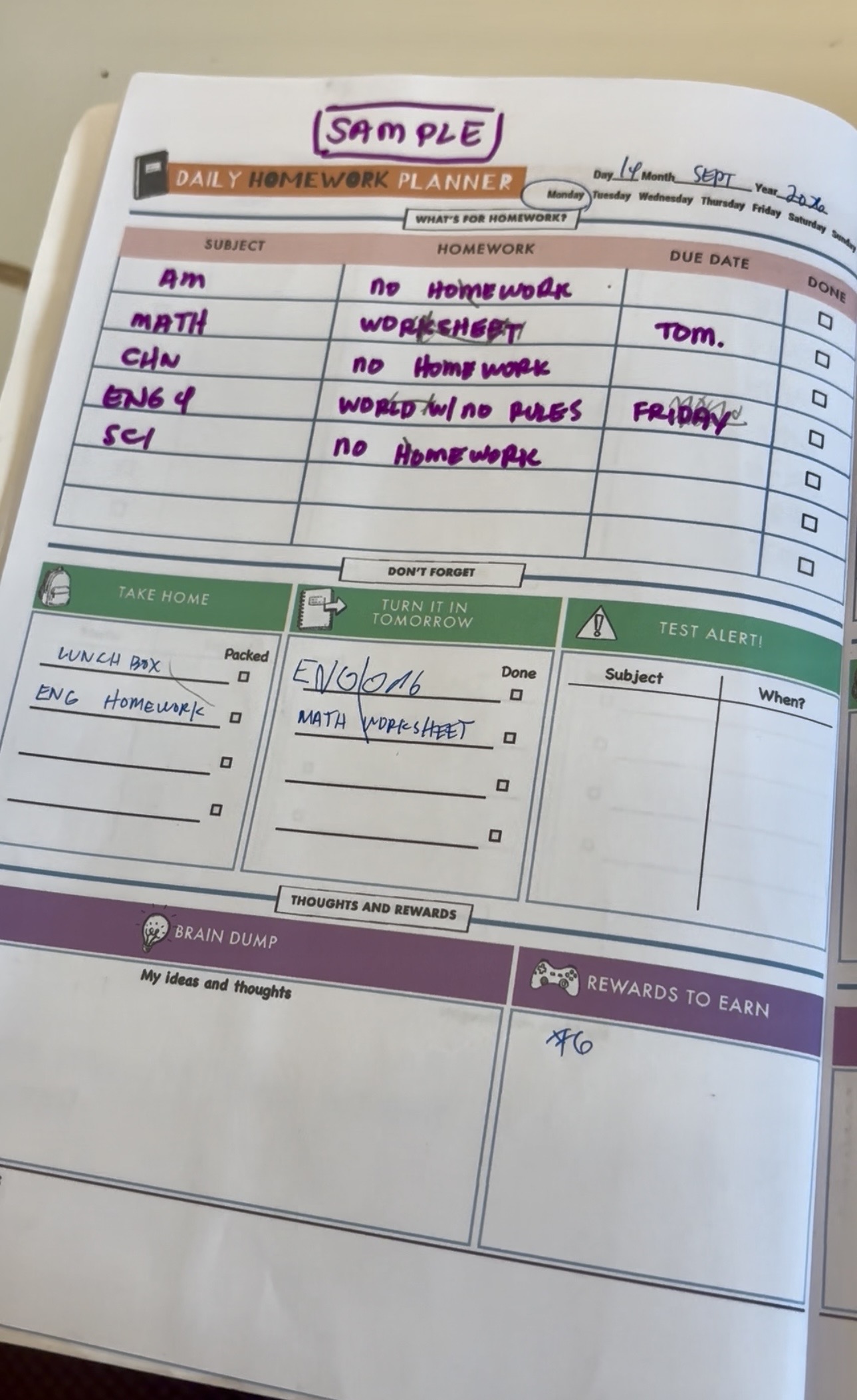
As parents, we want to help our children build the skills to manage their big emotions. However, the daily struggles of emotionally having to regulate BOTH yourself and your child can really take a toll on us. Be sure to check out this FREE DOWNLOAD to help keep things positive:

Explore more free downloads for ADHD parenting here.





Leave a Reply