

When our son was diagnosed with ADHD, medication wasn’t something we immediately said yes to.
In fact, we were hesitant.
Like most parents, we had a lot of questions:
- Is it addictive?
- What are the side effects?
- Will he need to take it forever?
We didn’t know much about ADHD medication at the time. And we weren’t sure if it was the right step for our child. We just knew that we’ve reached a point where our son needed all the help he could get.
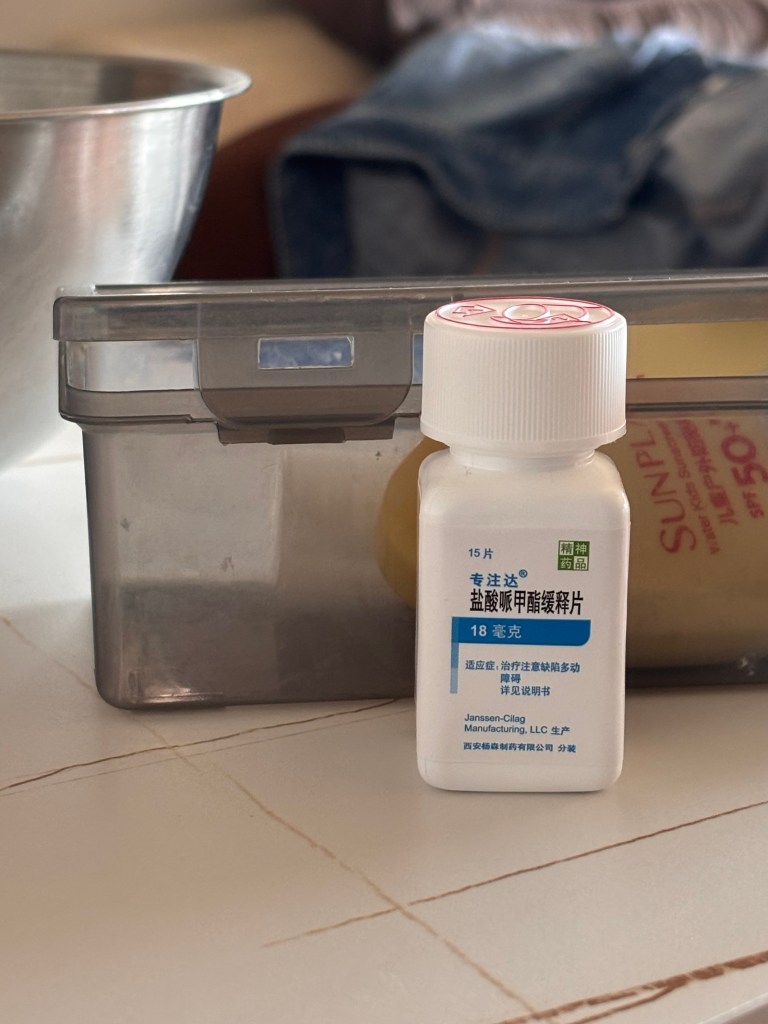
Luckily, the first medication he took (concerta) seemed to work for him. I know that some have very bad experiences with taking ADHD medication.
We live in China so the medication packaging is in Chinese.
Why We Decided to Try ADHD Medication
This blog post may contain affiliate links.
Our son always had trouble at school. When he was a toddler, I remember his teacher telling me that he got angry really quick – which was still developmentally appropriate for that age. The problem was he was aggressive. He hit or pushed others – sometimes, with no clear reason.
Fast forward to grade 1, his teacher sent me messages almost daily. The behavior that we expected him to outgrow were still there and it became more apparent mid-school year that he wasn’t getting better.
The worst part was that our son started hating school and he believed that he was ‘bad’.
So when our doctor said:
“Right now, your son thinks he can’t behave well… and he might be starting to believe he’s a bad kid. Therapy can help but it will take time. In the meantime, he is already building beliefs about himself that could turn into long-term self esteem issues.”
We could see it happening:
- Struggling at school
- Getting frustrated easily
- Having a hard time managing emotions
- Struggling to make friends
We were already trying different strategies at home. We talked, we modeled, we supported. We even did an anger management journal together.
But nothing was really sticking.
And we were out of ideas – which was when we decided to consult his pediatrician who recommended he get assessed by a child psychiatrist and then a developmental pediatrician.
So we decided to give it a try.
Our Experience with Concerta
Our son currently takes Concerta, which is a long-acting form of methylphenidate.
It’s designed to release the medication gradually throughout the day.
For our son, we’ve observed that it helps for about 4 to 6 hours.
And during that time, we’ve noticed improvements in:
- Emotional regulation
- Frustration tolerance
- Ability to stay engaged
This past semester, we’ve had very few behavior issues at school. At home, it’s different. And that will be another blog post.
But my son started having a good experience at school again and 2nd grade was 100% better than his 1st grade experience!
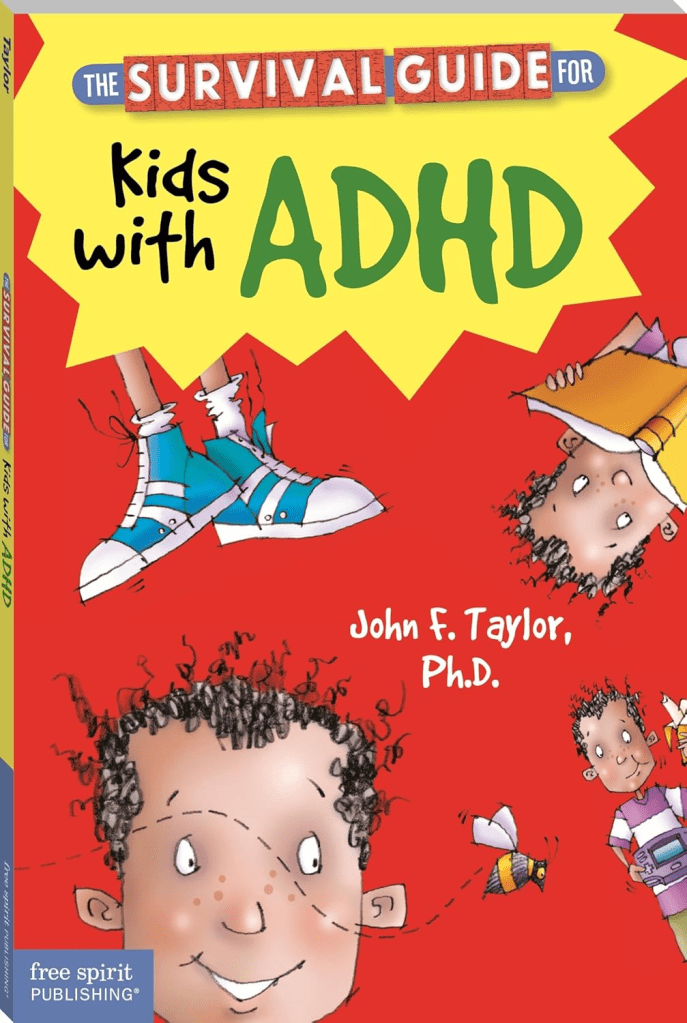
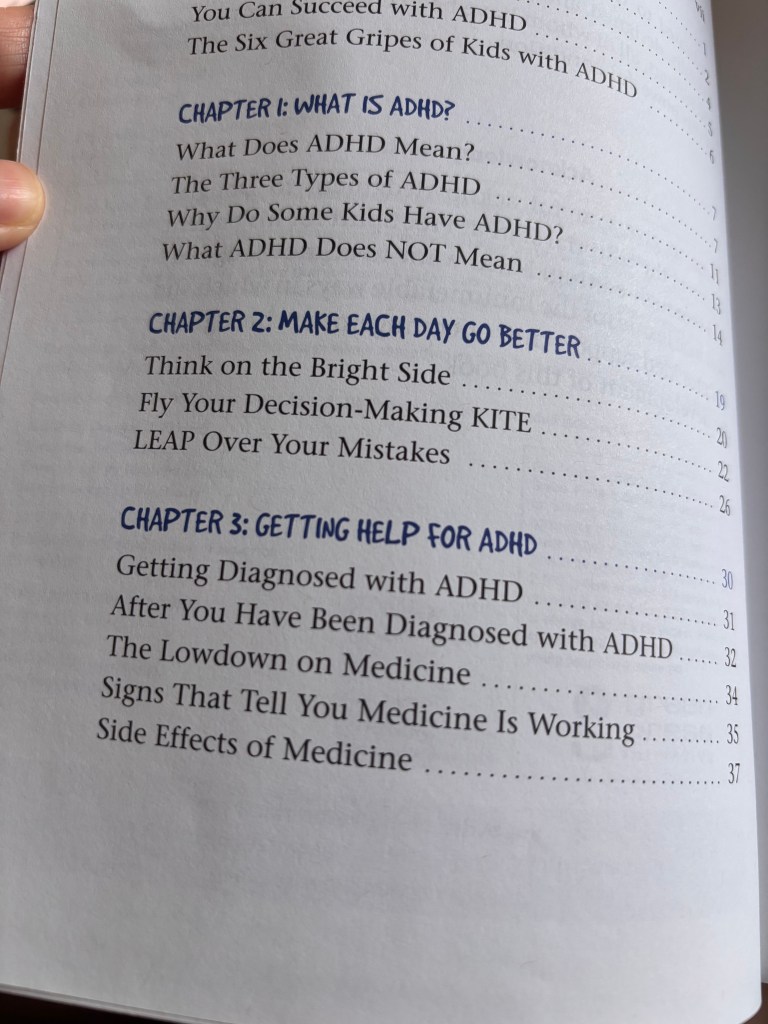
We found this book, “The Survival Guide for Kids with ADHD“, very useful for talking to our son about his ADHD medication. Chapter 3 talks about it in kid-friendly detail:
What ADHD Medication Didn’t Change
Medication improved his overall emotional regulation and focus. However, it didn’t change the factors that make my son himself. He is still bubbly and still talks a lot with less jumping and fidgeting!
And our son still struggles with:
- Forgetting homework
- Missing deadlines
- Losing things
- Organization
These are more related to executive function skills—things like working memory, planning, and time management. These skills needs to be built and supported intentionally and can get better over time with practice.
But for us, medication helped create a better foundation.
Side Effects We’ve Observed
We started medication in August 2024, so it’s been almost two years now.
Here’s what we’ve personally observed:
- Decreased appetite (this is the biggest one)
- Occasional headaches when the medication is wearing off
- Sometimes stomach aches (often related to not eating enough)
- Occasional difficulty falling asleep
So far, these side effects have been manageable for us.
Typically, he becomes very hungry in the evenings. After dinner, he will have more snacks right before bed. I also give him multivitamins as a supplement. I still have to look into other supplements I can give.
Our son is on the thinner side, and I do worry about whether he’s eating enough and growing as he should.
That’s something we continue to monitor closely.
At the same time, the benefits—especially in his emotional regulation and daily functioning—have outweighed these side effects for us.
How We Manage Medication Day to Day
Our doctor gave us a few simple guidelines that we follow:
1. Start with a protein-rich breakfast
Because appetite tends to decrease after taking the medication, we make sure he eats well in the morning. Our son is a bit of a picky-eater though. And most days it’s fruits, and peanut butter and bread. This is something I want to improve on.
2. Give it at the same time every day
For us, that’s around 7 AM—after breakfast and getting ready for school.
3. Take breaks when appropriate
We usually skip weekends or holidays so he can regain his appetite.
These small routines have helped us manage things more smoothly.
Our Biggest Concerns (And What We Learned)
Addiction
This was one of our biggest fears.
Our doctor explained that ADHD medication does not cause substance abuse, and some research suggests that treating ADHD may actually reduce the risk later on (article here).
From our own experience, our son doesn’t “seek” the medication—he actually forgets to take it unless we remind him.
Side Effects
We were told what to watch for, and we continue to monitor closely.
If the side effects were more severe, we would absolutely reconsider.
“Will He Need It Forever?”
The honest answer is—we don’t know yet. Only time can tell. Our doctor said that he might not need it in the future. I’ve read on social media that some kids eventually stop taking medication.
ADHD can continue into adulthood, but support needs can change over time.
Right now, we’re focused on what helps him in the present.
One Unexpected Lesson: Food Matters More Than We Thought
One thing we’ve noticed—even outside of medication—is how much food affects behavior.
There was a time when our son practiced basketball without medication, but with only a light breakfast.
His frustration tolerance was very low.
He struggled the entire session, even though he was trying.
Another time, still without medication—but with a heavy breakfast—the difference was noticeable.
He stayed engaged.
He didn’t melt down, though he expressed frustration a couple of times.
He handled mistakes much better.
It reminded us that support isn’t just about medication—it’s about the whole environment.
We’re Still Learning
We don’t have everything figured out. And that’s okay! Medication has been one part of this journey. Adjusting our parenting style and learning more about the ADHD brain definitely helped us with our son.
A Tool That Helped Me Along the Way
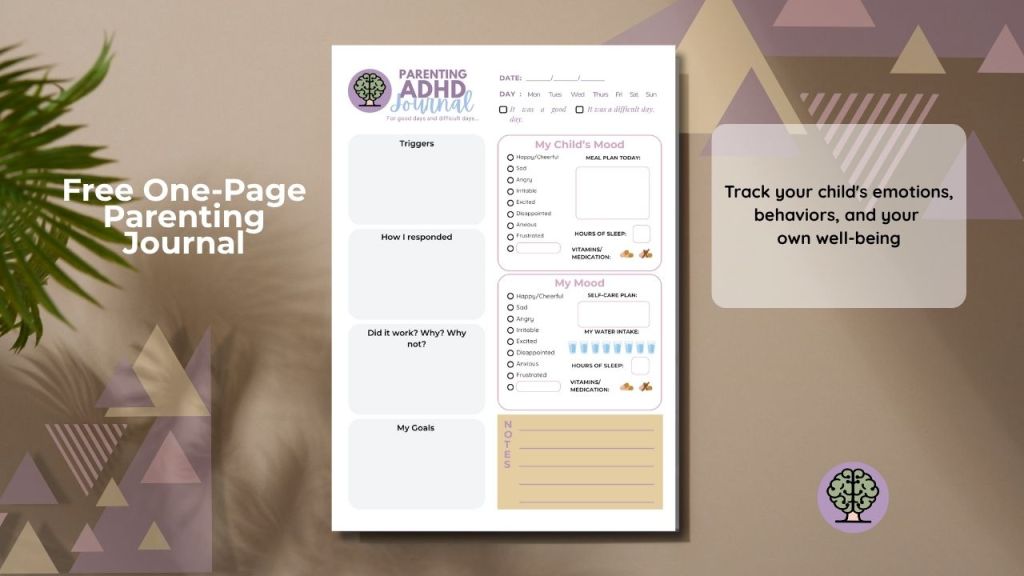
One thing that really helped me early on was having a way to track patterns and reflect on what was happening day to day with a parenting journal.
I also created a one-page ADHD parenting journal—something quick and realistic to use.
👉 You can download the free version here:
If You Want More Structure
If that helped, I also created a more detailed version:
👉 Parenting ADHD Journal & Planner
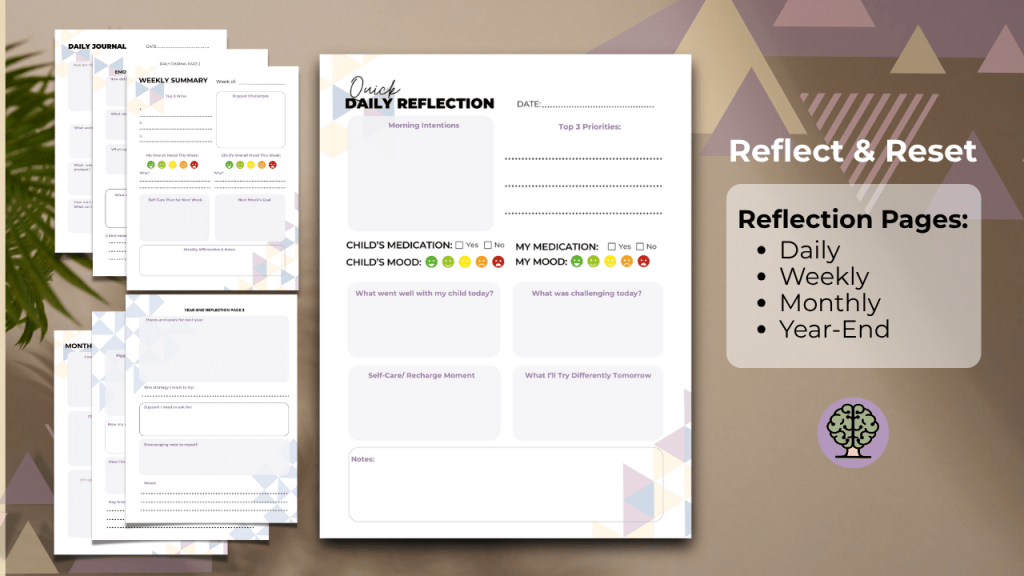
It includes:
- Behavior tracking
- Daily, Weekly, Monthly and Yearly Journal Prompts
- Communication Tools for Teachers, Therapists and Doctors
Hope it helps you as much as they have helped me!

 ADHD KIDS TOOLBOX
Leave a comment