
Frankly, the idea of doing homework, is boring. It’s even more devastating for neurodivergent people.
My ADHD son (9) had struggled so much. Before he was diagnosed, I would sit him down and encourage him to keep going even when he has broken down into tears (I have cried too).
However, ADHD kids do not struggle with homework because they do not want to do it. They struggle because their brains have a harder time with starting tasks, staying focused, and managing frustration.
According to ADHD expert Dr. Russell Barkley, ADHD is not a problem of knowing what to do. It is a problem of doing what you know, when you need to do it. That difference changes everything. Read Dr. Barkley’s “12 Principles of Parenting and ADHD Child” if you haven’t yet.
The trick is to build systems to support our ADHD child.
Here is what actually helped us.
NOTE: This post contains affiliate links. This means I may earn a small commission if you purchase through these links—at no extra cost to you.
1. Break Homework Into Clear Steps
“Go do your homework” is too vague. It feels overwhelming before it even begins.
So we broke it down into four simple steps:
Step 1: Take out homework
Step 2: Do homework
Step 3: Check your work
Step 4: Put it away (in your bag)
Now he knows exactly what to do next. The task feels smaller, and starting becomes easier.
This matters because ADHD affects task initiation. What looks like avoidance is often the brain not knowing where to begin.
When the steps are clear, the barrier to starting becomes much lower. We have created a whole homework system here.

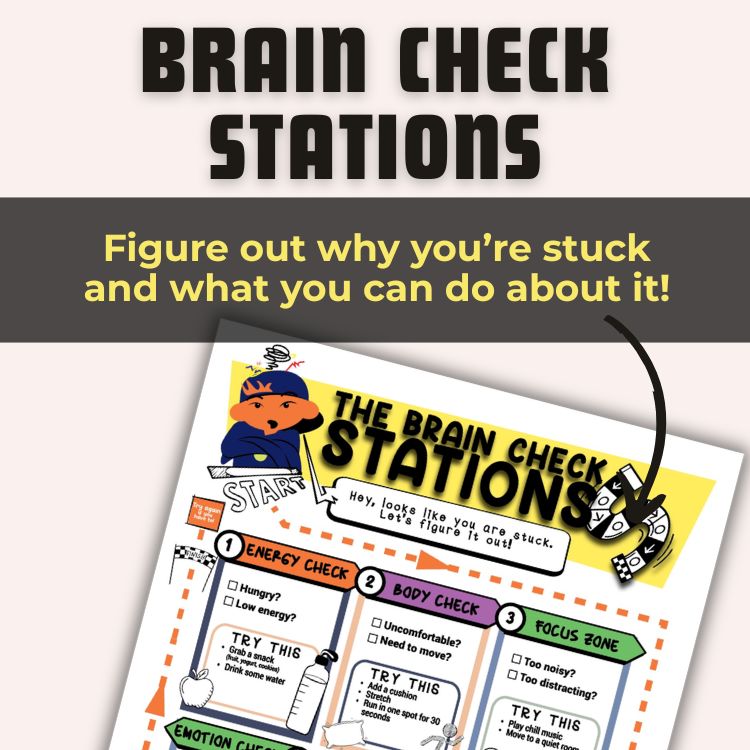
2. Plan for Problems Ahead of Time
Instead of reacting in the moment, we planned ahead.
Here are some of the common struggles we listed together:
- tired
- hungry
- bored
- the work feels too hard
Make a list of common problems you often encounter and brainstorm ways to help overcome being ‘stuck’.
Write them all down.
Now, when he gets stuck, we do not argue. We look at our chart and solve the problem together.
This approach supports something Dr. Russell Barkley talks about often: ADHD brains struggle with self-regulation in the moment. They need external systems to guide decisions.
Instead of expecting him to figure it out when he is already frustrated, we gave him a tool to rely on.
3. Reduce Distractions (But Stay Flexible)
We try to create a space with fewer distractions.
Sometimes that is his room. Sometimes it is ours.
The truth is, it depends on the day. There are times he can focus even when it is noisy, and times when everything distracts him.
ADHD is not consistent. Attention can vary depending on energy, interest, and environment.
So instead of forcing one setup, we adjust based on what he needs that day.
4. Use a Simple Reward System
We use a star system to make expectations clear.
Five stars means he completes all steps independently. Fewer stars mean he needed reminders.
I make sure to explain that getting 1 star is absolutely still great. It only means he tried very hard. And we can always try to do better tomorrow.
ADHD brains are driven more by immediate rewards than delayed ones. This is linked to how dopamine works in the brain. A simple system like this makes effort visible and rewarding right away, instead of expecting motivation to come from nowhere.
5. Track Progress Daily
We track his stars every day.
This gives him something to see. Over time, he notices his own improvement.
Instead of hearing “you need to focus more,” he sees, “I did better today.”
It helps when we celebrate even little wins. It builds confidence and reduces frustration.
6. Create a Rewards Menu
The stars lead to something.
We created a simple rewards menu with small and bigger rewards:
- 10 stars for something small
- 30 stars for something bigger
This keeps him motivated, especially on harder days.
It also gives him a sense of control. He is not just following instructions—he is working toward something he chose.
7. Practice Delayed Gratification
At the beginning, we kept rewards small and frequent. Over time, we encouraged him to save up for bigger ones.
This is important because having ADHD makes it hard to think ahead.
So instead of expecting patience right away, we built it gradually. I post a lot about our homework experience on our tiktok. You can see the little adjustments we’ve made over time.
8. Keep a Snack Nearby
This one is simple, but it made a difference.
We let him have a snack while working. It helps him stay seated longer and reduces interruptions.
Sometimes, what looks like “lack of focus” is actually low energy.
A small adjustment like this can support attention more than we expect.
9. Allow Movement Breaks
When he says something is “too difficult,” it is not always about the task.
Sometimes he is losing focus. Sometimes he is frustrated. Sometimes he just needs to move.
So we pause. He takes a short break, moves around, resets, and then comes back.
Research shows that movement can help regulate attention and increase alertness, especially for ADHD kids.
Pushing through is not always the answer. Resetting often works better.
10. Use a Timer for Breaks
Breaks need structure.
Whenever he takes one, he sets a timer. Usually five or ten minutes. We use Alexa or sometimes this shaded timer for visual reference.
The important part is that he sets it himself.
This supports time awareness, which is another common challenge in ADHD. Without a timer, five minutes can easily turn into thirty.
11. Try Body Doubling
I sit beside him while he works.
I am not helping the entire time. I am just there, doing something quietly.
That presence alone helps him stay on task.
This is often called “body doubling,” and it works because it provides external accountability and focus.
Again, it is not about forcing independence too early. It is about supporting the brain until it can manage more on its own.
What I Learned
Homework did not suddenly become easy. It took us over 7 months to get to where we are now. With all our systems in place, we don’t plunge into an emotional mess every time my ADHD son refuses to do homework. Of course, we still have bad days, where he doesn’t finish his homework and I need to prompt him to do them.
But our biggest achievements are:
- My ADHD son knows he is capable of independently doing his homework (confidence boost).
- All of his homework problems have solutions.
- Instead of correcting him all the time, I was finally supporting him in a way that worked for his brain.
ADHD kids do not need more pressure. They need structure, support, and understanding.
As Russell Barkley explains, ADHD is a problem of performance, not knowledge. Our kids often know what to do—they just need help doing it consistently.
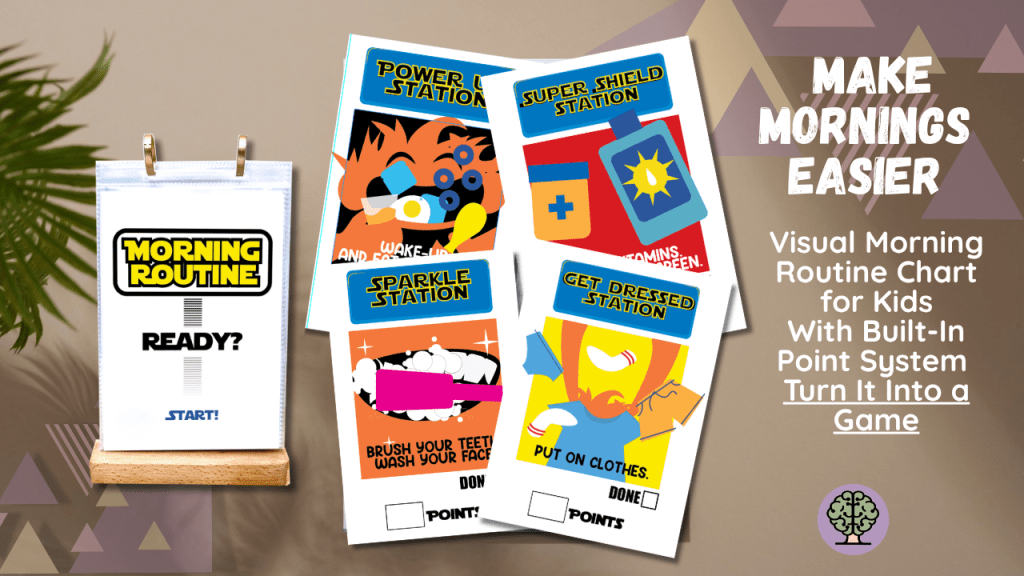
Be sure to check out our morning routine here:




 ADHD KIDS TOOLBOX
Leave a comment