
I didn’t think my son had ADHD.
I thought he was just a little more intense than other kids. More sensitive, more reactive, maybe just strong-willed. I assumed he would outgrow it. And that if I handled things better, stayed calmer, or found the “right” approach, things would eventually click.
Before becoming a stay-at-home mom, I worked as an early years teacher and Montessori teacher for over 10 years. I had experience with child development, behavior, and supporting young children through different challenges. So part of me felt like… I should be able to figure this out.
Which, in a way, made it even harder to recognize what was really going on.
There wasn’t one big moment where I suddenly realized something was different. It was more like a collection of small things that kept happening over time—things that didn’t go away, even when we tried everything we could think of. These signs only made sense after his diagnosis:
(NOTE: I share our experience for informational and educational purposes only. If you have any concerns or questions about your child’s well-being, please consult your pediatrician.)
1. He would get frustrated almost instantly
If something didn’t work the first time, he would shut down almost immediately. He’d cry, say “I can’t do it,” and walk away before really giving himself a chance.
At the time, I thought he needed more encouragement or more practice and he was only 5 years old. I thought that it was still age appropriate. I’d try to coach him through it, remind him that mistakes are okay, that he just needed to keep trying. But it wasn’t about effort. It was the feeling of not getting it right right away that overwhelmed him. Once that feeling hit, it was like everything else shut off.
2. The random loud noises
This was one of the more confusing ones for me. He would suddenly yell, make loud sounds, or blurt things out with no clear reason. It felt completely unprompted.
I remember asking him why he was doing it, and he wouldn’t have an answer. At the time, it felt like a behavior problem—like something he should be able to control. Now I understand it differently. It wasn’t intentional. It was impulsive, almost like the energy had to come out somehow, and it happened before he could stop it.
3. He couldn’t stay on task, especially at school
This was the feedback that came up most often from his teachers. They would mention that he had trouble following instructions, that he got distracted easily, and that he didn’t finish his work. I thought he just had his own creative ideas.
At home, it didn’t always feel as obvious. But in a structured environment like school, where there are clear expectations and less flexibility, it became much more noticeable. It wasn’t that he didn’t want to do the work nor was it about being creative (though he is). He just couldn’t stay with it long enough to complete it.
4. Hitting or kicking when he was angry
This was one of the hardest parts for me. When he got really upset, it sometimes turned physical—hitting, kicking, pushing.
At first, I thought it was something he would outgrow. I tried so many approaches—talking through feelings, practicing calm-down strategies, using social-emotional tools. Some of it helped in calm moments, but in the middle of an outburst, nothing seemed to stick.
Looking back, I can see that he didn’t need more lessons about behavior. He needed support in regulating himself in the moment, when everything already felt out of control.
5. Sleep was always a struggle
Bedtime was never simple. He needed a very specific conditions to fall asleep—my hand on his hip, a heavy blanket, everything just right. Without that, he had a hard time settling down.
At the time, I just thought he was a bad sleeper. I didn’t connect it to anything beyond that. But now I can see how much his body needed that extra input to feel calm enough to rest.
6. Sensory things really bothered him
There were small things that didn’t seem like a big deal at first. He didn’t like tags on his clothes. Certain fabrics made him uncomfortable. He avoided sitting on hard chairs and preferred anything with cushioning.
I assumed these were just preferences, maybe even a bit of pickiness. He is also a bit of a picky eater. But over time, I realized these weren’t minor annoyances for him. They genuinely bothered him in a way that was hard to ignore.
7. He was easily annoyed by certain sounds
Things like chewing, repetitive noises, or background sounds would trigger a strong reaction. It wasn’t just mild irritation—it felt intense and immediate.
I used to think he was just easily annoyed. Now I understand that his brain was processing sensory input differently, and things I could tune out were much harder for him to ignore.
When did we realize it’s time to get help?
This is the part I struggled with the most. As parents, we adapt. We stretch ourselves, we become more patient, and we wait things out. It’s easy to tell yourself that it’s just a phase, or that your child will grow out of it.
And sometimes that’s true.
But sometimes, what you’re seeing is a pattern that isn’t going away.
For me, it wasn’t one behavior that stood out. It was the consistency of it—the same struggles showing up at home, at school, and over time.
By the time he was in Grade 1, things weren’t getting better. If anything, they were becoming more obvious. About halfway through the school year, it was clear he wasn’t improving, and more than that—he was miserable. School was hard for him in a way that went beyond just having a bad day.
That was the point where we finally caved and decided to have him assessed by a developmental pediatrician. He was 7. We went through four different doctors before we got an ADHD diagnosis.
I kept track of his behavior and made a list that eventually led me to create this parenting journal.
Looking back, I think part of me already knew. I just wasn’t ready to say it out loud yet.
What I wish I knew earlier
I wish I had understood that this wasn’t about my parenting, and it wasn’t just his personality. It also wasn’t something he would simply outgrow with time.
He wasn’t trying to be difficult. He was struggling. What he needed were systems and a different parenting style. Over the next few months after his diagnosis, daily routines and structure helped us survive.
🎁 A small thing that helped me
If you want to document the daily incidents and keep a positive outlook on things, here’s a FREE journal page I made.
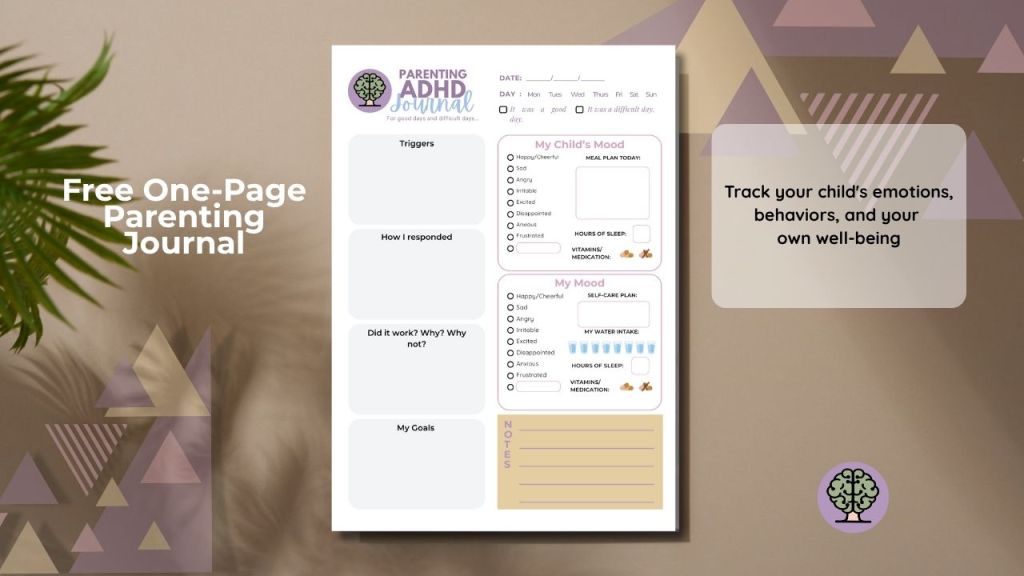
It’s just a way to get things out of your head and onto paper so you can start seeing things more clearly.
💡 What helped us day-to-day
Understanding ADHD helped, but what made the biggest difference in daily life was having simple, consistent structure. I also started keeping a journal and sharing our learning journey over on Tiktok (Follow us for real stories of what it’s like to navigate parenting with an ADHD child!)
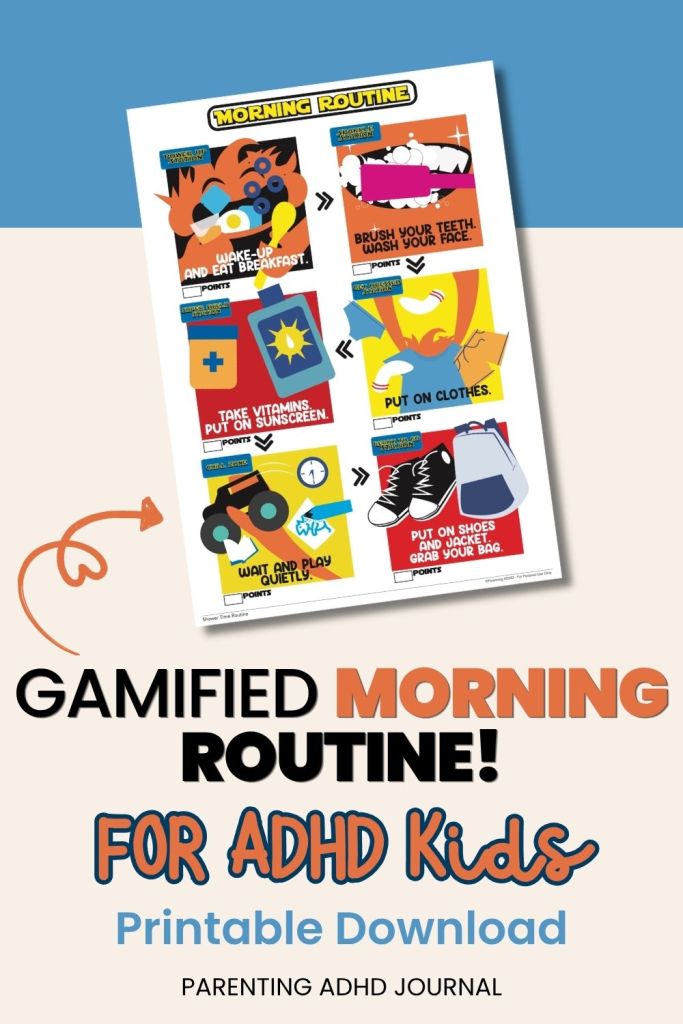
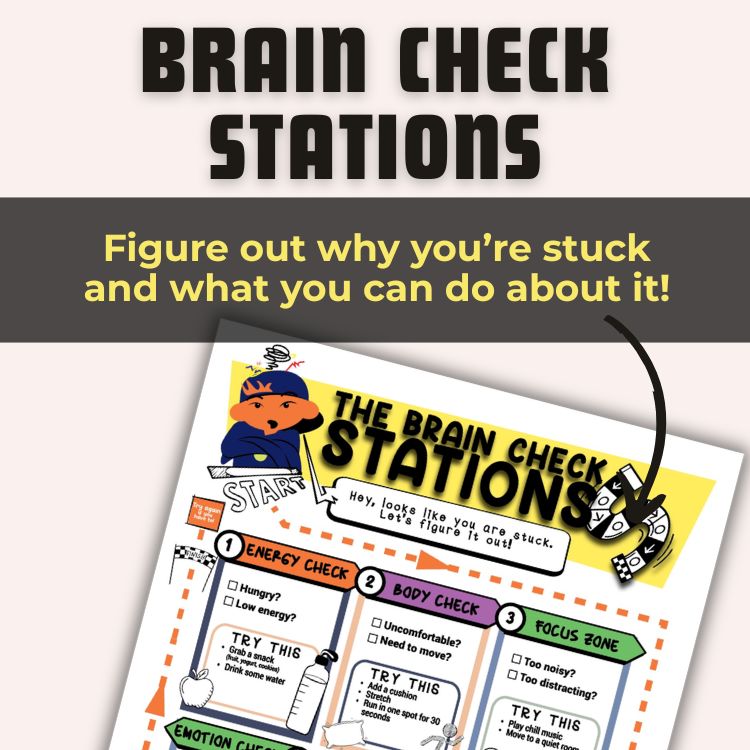
In the middle of big emotions, kids don’t remember what we’ve explained to them. They need something they can see and follow without having to think too much.
If you need more support
I also created a set of visual routines that we use at home. Below is our morning visual routine.
Thank you and God bless!


 ADHD KIDS TOOLBOX
Leave a comment